Notizia
The Growth of Global Wealth Is Transforming the Luxury Real Estate Market
Knight Frank’s new report shows how prices, cities and capital flows are changing, amid new destinations and increasingly selective markets.
A particularly significant figure illustrates the changing world of wealth: today, $1 million in Monaco buys just 16 square metres. In Milan, although almost three times as much can be obtained (45 square metres), the figure is still lower than five years ago, when around 60 square metres could be purchased. This reflects an increasingly selective and global luxury real estate market, in which capital moves rapidly, crossing borders and redefining maps of value.
A key factor behind this dynamic is the increase in global wealth. According to Knight Frank’s The Wealth Report 2026, in 2026 the number of individuals with fortunes exceeding $30 million surpassed 713,000 worldwide. It is important to note that between 2021 and 2026, their numbers grew significantly, with approximately 89 new ultra-wealthy individuals added every day.
The Era of Wealth in Motion: Italy and Global Markets Compared
Despite a complex geopolitical context and new inflationary pressures, global private wealth continues to grow. The United States is the main engine of this growth; however, Europe—and Italy in particular—is returning to the centre of high-net-worth strategies. By 2025, luxury home prices had risen by an average of 3.2% globally, with increases recorded in 73 of the 100 markets analysed. Tokyo leads the ranking with growth of 58.5%, followed by Dubai with an increase of 25.1%, confirming its position as the most dynamic market for properties worth more than $10 million. Liam Bailey, Knight Frank’s global head of research, highlighted that, in a more uncertain world, the main challenge for private investors is not only to grow wealth, but also to preserve it, position it and use it strategically.
Where a Million Is Really Worth It: Global Cities Compared
utput
Language:
Looking at the main global markets, purchasing power in the real estate sector clearly illustrates a trend. In Monaco, one million dollars buys just 16 square metres, confirming it as the most exclusive city in the world. Hong Kong and Singapore follow with 22.5 and 28.1 square metres, respectively, where space remains extremely limited.
A particularly interesting figure concerns the amount of space available for purchase, which has declined significantly in many cities over the past five years. In Tokyo, for example, it fell from more than 60 square metres in 2020 to just over 36 square metres in 2025, one of the sharpest declines among the major global markets. Los Angeles saw a similar reduction—from around 50 to 36 square metres—although it was less drastic than in Tokyo. European cities such as Geneva and Paris show a more gradual, but still significant, decrease.
By contrast, only a few cities show signs of genuine resilience. London is one example, with a slight increase in the amount of space purchasable compared with 2020, contrary to most global markets. Madrid and Lisbon, however, present a different picture: despite recording some decrease in the amount of space purchasable, they still offer relative accessibility within the European landscape, remaining among the places where one million dollars buys more space.
The result is an increasingly polarised geography of luxury: on one side, the “trophy” cities, where value is determined by scarce availability; on the other, emerging or expanding markets, where capital still has room to grow—in every sense.
Hong Kong continues to be one of the most expensive cities in the world, while London is becoming a “hit-and-run” metropolis: a place to visit intermittently rather than live in permanently. Meanwhile, new destinations and new balances are emerging:
- The Middle East leads growth at +9.4%
- Cities such as Mumbai and Brisbane are gaining ground
- Miami is establishing itself as a global luxury centre
A decisive factor? The scarcity of move-in-ready properties, increasingly sought after by investors looking for assets without operational complications.
Galleria immagini
Dal magazine
Leggi anche
 Notizia
Maria Carla Prette ·6 ott 2026
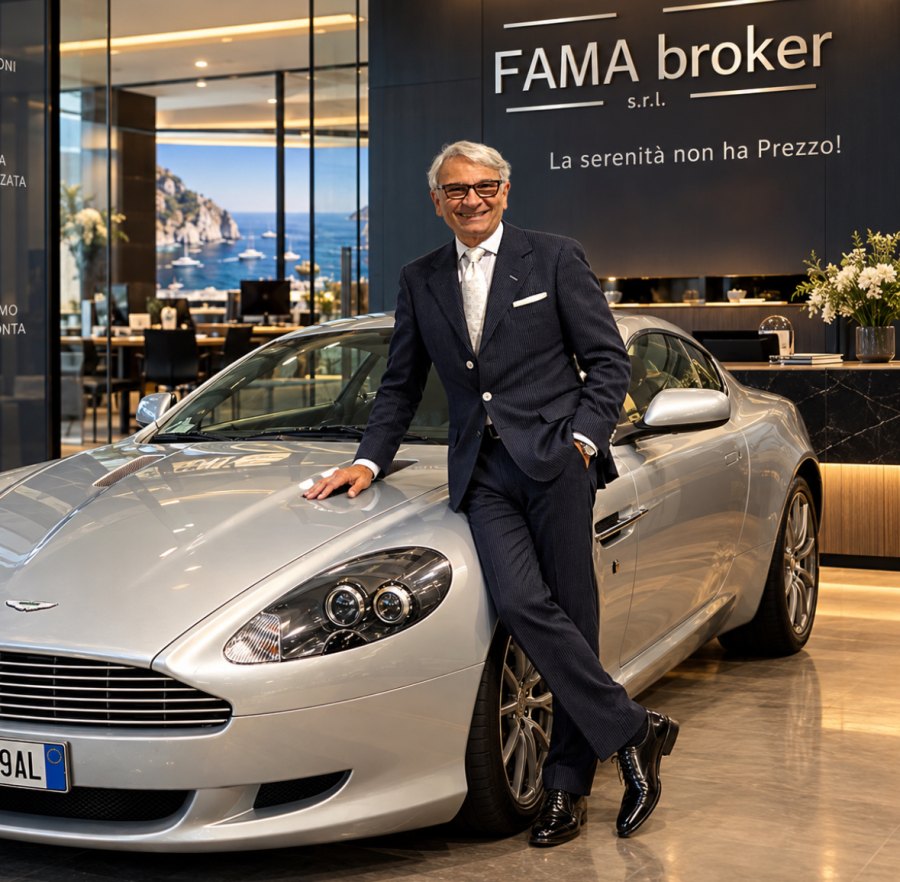
Massimo Fabozzi, FAMA Broker sponsor of Milano è FORTE dei Marmi: Risk Management for businesses, assets and collector cars
In a world where risks are becoming increasingly complex, being insured does not necessarily mean being adequately protected.It is this principle that underpins the professional ap...
 Notizia
Maria Carla Prette ·5 ott 2026
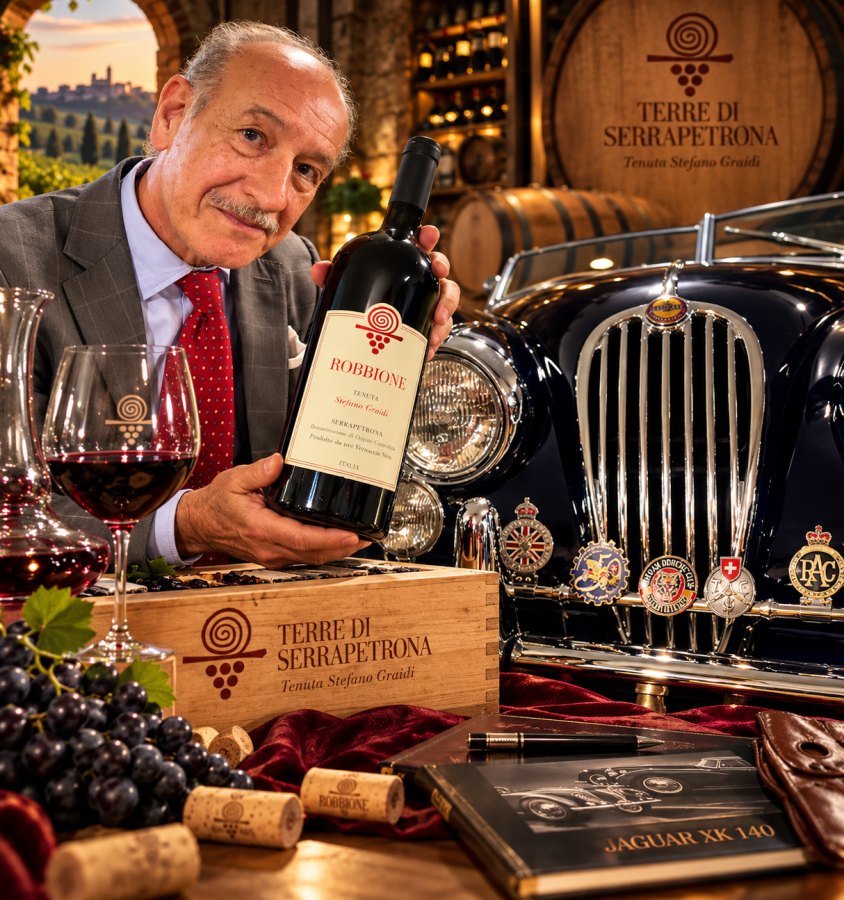
Stefano Graidi: Great Wines and Classic Cars, the Italian Art of Collecting Emotions. Terre di Serrapetrona
Beauty, class, uniqueness and value that grows over time. There is a profound bond between the world of great wines and that of classic cars: two passions that tell the story of cu...
 Notizia
Maria Carla Prette ·27 set 2026
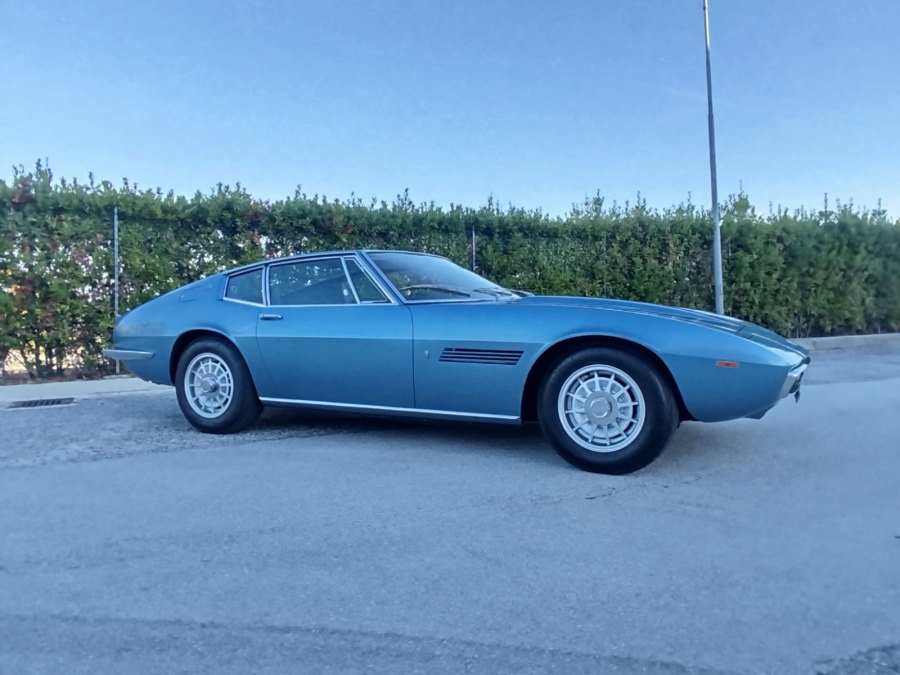
Maserati Ghibli: the star of the OldCar24 stand at Auto e Moto d’Epoca Bologna 2026
An example with a fascinating history, returned to its original configuration through a complete restoration costing around 200,000 euros.There are cars capable of crossing the era...
Dal network
In vetrina
Selezione premium · OldHouse24