Used Honda NSX: documents and questions before a viewing
Identify an NSX’s generation, market and transmission, read its service records and prepare questions for the seller and your specialist.
At a glance. When considering a used Honda NSX, identify its generation, original market and transmission first. Request the car’s documents and service invoices, then arrange an inspection with a specialist. A model specification cannot establish an individual car’s condition.
Early NSXs and the second-generation hybrid need different assessments. Within the first generation, a registration year and an advertised engine size are not enough to establish the specification. Use this guide to prepare clear questions before arranging a viewing.
Before a viewing: prepare five checks
- Identify the car. Request its chassis number, original delivery market, stated production year and registration documents. Compare these with the listing and clarify differences before travelling.
- Reconstruct the work carried out. Ask for readable invoices showing dates, mileage and completed work. A description such as “serviced” leaves too many questions unanswered.
- Ask about bodywork history. Request details of repairs, repainting and modifications, with photographs or documents where available.
- Agree an inspection. Establish with a specialist what will be checked and how findings will be recorded, including starting, diagnostics and a road test where practical.
- Separate the purchase from subsequent work. Obtain an estimate for any work identified. Include it when comparing cars, without treating an asking price as a market valuation.
If a document is unavailable, record the point as missing information. A gap does not prove a fault, but remains a question to resolve during the assessment.
Which NSX are you considering?
Early versions and technical references
The US-market 1991 Acura specification describes an aluminium unit body, a 3.0-litre V6 and a five-speed manual transmission, with an optional four-speed automatic. It is a historical reference; a car supplied to another market needs the relevant documentation.
The aluminium structure makes it useful to have any structural repairs assessed by a professional experienced with the model. Ask which checks were completed and which areas could not be inspected. Exterior photographs do not replace that assessment.
The 1997 update: check the transmission
Honda’s 6 February 1997 announcement pairs the 3.2-litre engine with the new six-speed manual. The Japanese specification for that update distinguishes the 3.2 manual NA2 from the 3.0 automatic NA1. Read a 1997 listing alongside the car’s transmission, market and documents rather than assuming it has the larger engine.
The second-generation hybrid
Honda dates the NSX’s complete redesign to 2016. Its Sport Hybrid SH-AWD description sets out a 3.5-litre twin-turbo V6, three electric motors and a nine-speed dual-clutch transmission. When assessing a used example, also request documented checks of the hybrid system and battery.
How to read service history, modifications and mileage
Start with work that can be documented. Arrange invoices and records chronologically, then compare dates and mileages. Ask about undocumented periods, instrument replacements or readings in miles; leave gaps open until there is evidence to explain them.
For scheduled work, request the maintenance programme for the correct version and market and compare it with the invoices. This guide does not give a universal timing-service interval, provide a remote diagnosis or estimate costs without a quotation for the car.
If wheels, suspension, exhaust or other components have been modified, ask who did the work, which original parts remain and what paperwork accompanies it. Have the applicable compliance requirements checked by a competent professional before making commitments.
A useful message to send the seller
I am considering your NSX. Could you confirm its original market, transmission specification and identification details? I would like to review the available maintenance documents, including dates and mileages, and understand any repairs or modifications. Can we arrange an inspection with a specialist before I decide?
These questions can be used when reading the Honda NSX listing on OldCar24. Listing details are statements to discuss with the seller; the link does not certify the car’s condition, authenticity or availability.
Frequently asked questions
Does a 1997 registration always mean a 3.2-litre NSX?
No. The Japanese documentation also distinguishes a 3.0 automatic. Check the individual car’s specification, market and documents.
Is low mileage enough to make a decision?
Request maintenance evidence and a condition assessment too. An odometer reading does not answer questions about the car’s history.
Can this guide establish the car’s value?
No. Comparing asking prices and conditions requires information about the cars, documents and estimates. This guide provides questions to ask, without an economic valuation.
Collect the answers and take outstanding questions to your specialist before deciding. To continue your search, browse the OldCar24 catalogue and confirm current information about any car directly with its seller.
Reference photograph: a Honda NSX, not the car in the linked listing. Photograph by 100yen; crop, lighting and colour adjustments by Thomas doerfer. Source: Wikimedia Commons, licensed under CC BY-SA 3.0. Current file reused without further changes.
From the magazine
Read also
 Notizia
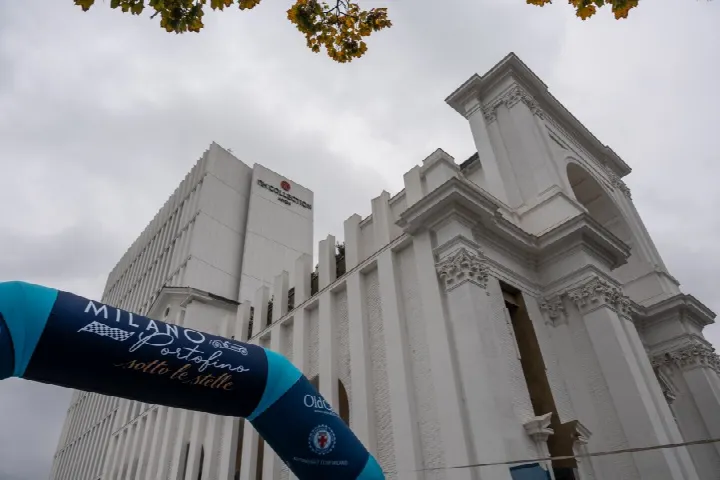
Milano Portofino Under the Stars 2026: the start at NH Collection Milano CityLife, among classic cars and cutting-edge architecture
Milan, November 7, 2026 – Past meets future in the heart of CityLife. The first edition of Milano Portofino Under the Stars officially set off from the elegant setting of NH Collec...
 Notizia
Used Riva Aquarama: versions, restoration and questions to ask before a viewing
In brief. To assess a used Riva Aquarama, start with the stated version and work history. Ask the seller for the hull identifiers, engine details and restoration records; then arra...
 Notizia
1929 OM 665 Spyder Mille Miglia: an Italian masterpiece for €1.25 million, steeped in history, authenticity and legend
A car that journeys through time without losing its soulIn the international world of car collecting, there are rare cars, prestigious cars and, finally, automobiles capable of tel...
Dal network
In vetrina
Selezione premium · OldCar24