THE FIAT OSCA 1600 S: HEART MASERATI AND DESIGN PININFARINA WHICH INSPIRED THE FERRARI 250 GTE
An all- italian sportswear of great collecting interest and today a sure investment.
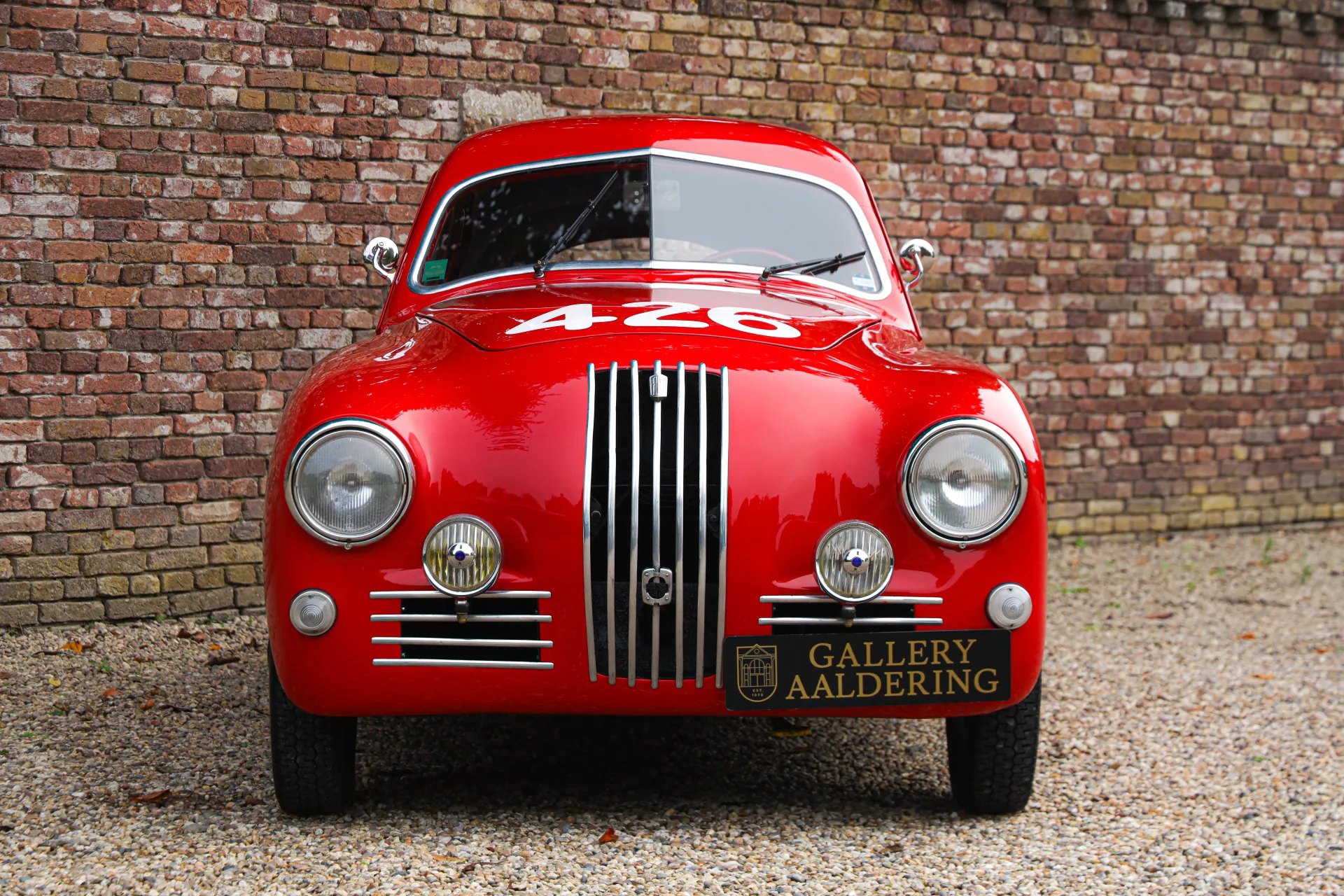
The protagonist of the service is a rare Fiat Osca 1600S Coupé, designed by Pininfarina, from which it was inspired to subsequently design the Ferrari 250 GTE, of which our Osca takes the lateral line and the double front headlight,typical of the second series.
But what counts on this sports car is the 1568 cc engine, which with its 100HP SAE allows it to quickly reach the maximum speed of 175 km/h, performance for the era of all respect.
The merit of these brillant performances is by Ernesto Maserati, hence the name Fiat Osca.
Do you want to ask why a Fiat is also called Osca?
Because at that time Giacosa accepted Ernesto Maserati’s proposal to equip some Fiat models with the engine of one liter and a half engine capacity of Osca MT4, modified for road use.
At the time the Maserati Brothers were in difficulty, so this agreement with Fiat allowed them a commercial outlet,but the advantage was actually mutual,because it allowed Fiat to partner with a well- known name in the racing world and therefore to really rival Alfa Romeo.
The production of 1600 S Coupè is very small at the time, a precise number is not provided but we are talking about 200/300 units equipped with the Osca engine, which is why today they are very sought by collectors.
THE FINISHES OF THE INTERIORS
The cabin has an excellent degree of refinement,with leather interiors, wooden dashboard and Nardi steering wheel, typical of the supercars of that period.
The instrumentation includes beyond the speedometer also the tachometer, the oil pressure gauge, the water thermometer and the fuel level indicator, all gathered in two large, clearly visible circular instruments.
Between the front seats a grab handle for the passenger and also a bar placed on the floor under the dashboard to point the feet,just like in the luxurious 2300 Coupé .
THE FUTURE OF FIAT OSCA 1600 S COUPÈ
The 1600 S Coupè is one of those models whose listing is destined to rise over time and today finding a specimen on the market is really difficult, mainly because it has a design that is thanks to Pininfarina, a Maserati mechanic and a very limited number of specimens produced at the time.
Galleria immagini
Dal magazine
Leggi anche
 Notizia
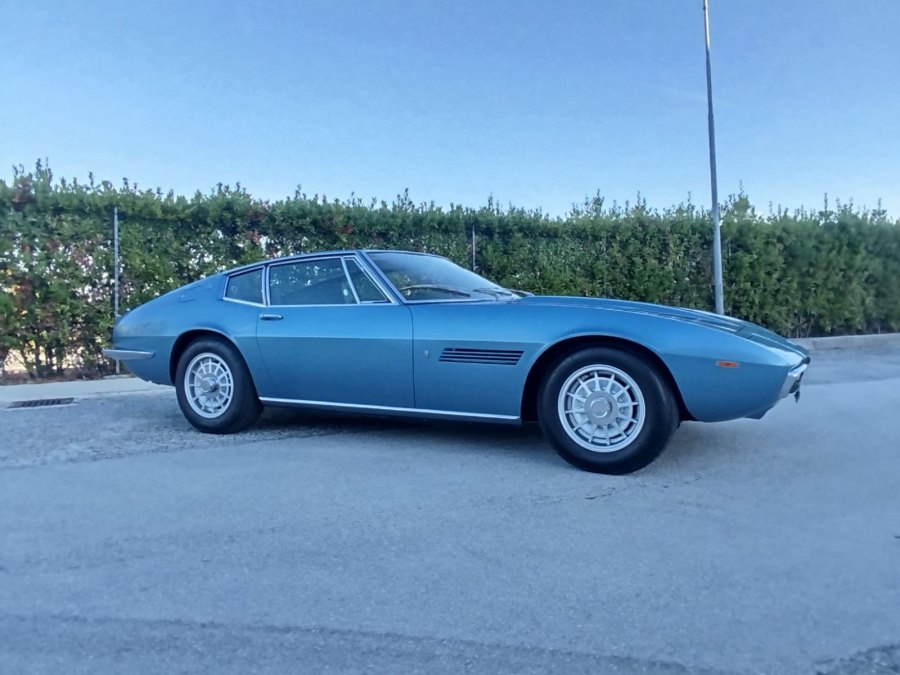
Maserati Ghibli: the star of the OldCar24 stand at Auto e Moto d’Epoca Bologna 2026
An example with a fascinating history, returned to its original configuration through a complete restoration costing around 200,000 euros.There are cars capable of crossing the era...
 Eventi
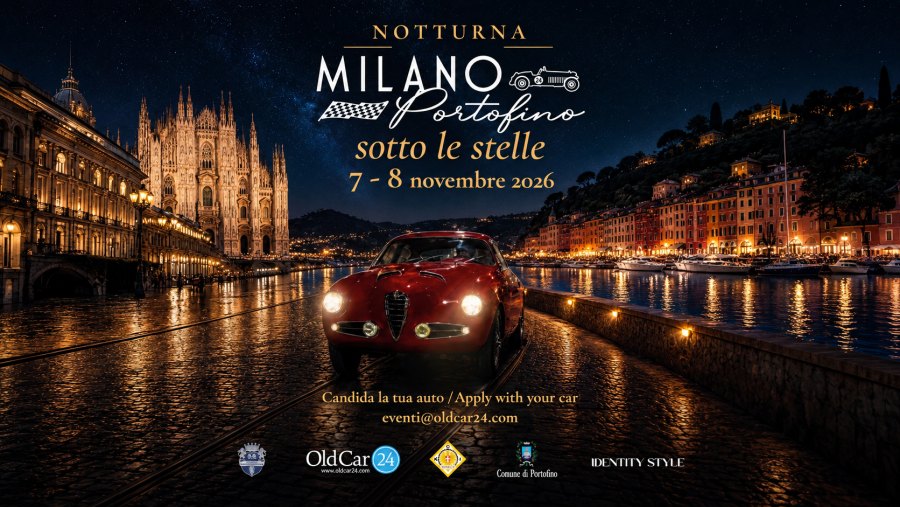
Milano Portofino Under the Stars 2026: the exclusive event for Gentleman Collectors, 7–8 November 2026
There are roads you travel. And then there are experiences that stay in your memory.On 7 and 8 November 2026, the Milano Portofino event returns, this time in an even more evocativ...
 Notizia
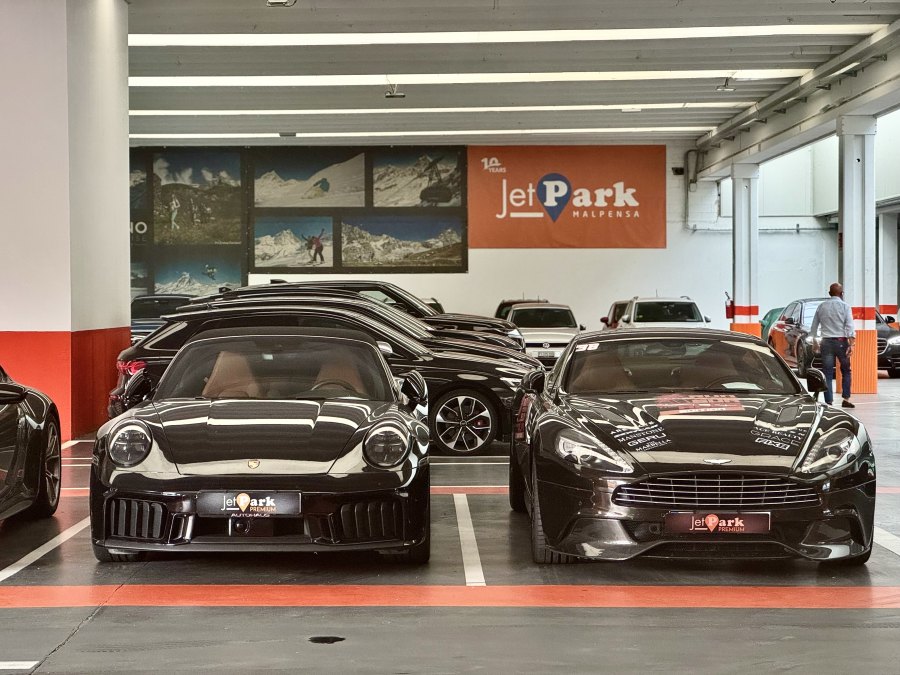
Classic Car and Supercar Parking at Malpensa: JETPark Premium Focuses on Security, Space and Vehicle Care
CARDANO AL CAMPO (VARESE) – For anyone who owns a classic car, supercar or collector vehicle, finding the right place to store it is an important decision. It is not simply a matte...
Dal network
In vetrina
Selezione premium · OldCar24